Chapter 12 of Jem Bendell’s Breaking Together offers personal stories and practical examples of people who respond to the possibility of societal collapse by changing how they live.
Freedom through personal collapse. Bendell opens with his own burnout, which ended with him collapsing at a friend’s dinner table, and with what he calls a “positive disintegration” of his old identity. He tells how Zori Tomova, after hearing his research, dropped plans for a recycling business and created Connection Playground, a series of workshops on connecting with yourself, others and nature. He tells how Skeena Rathor, a therapist and councillor, went on to help organize Extinction Rebellion, bringing her Sufi faith into its training and its declaration of intent.
Intuition, and taking time. He describes five approaches to listening to your intuition: observing your cravings and aversions through practices such as meditation, calming fear and ego through things like hiking, fasting, dance or prayer, noticing sensations in the body, reconnecting with nature, and critical literacy about cultural habits. For him the shift took years. He cut his paid work to a day and a half a week, moved to a country with a lower cost of living, started a farm, and took up music and improvisational theatre.
The Deep Adaptation questions. He uses four questions as a guide: What do we most value and want to keep? What do we need to let go of so as not to make matters worse? What can we bring back from the past to help us? With whom and what can we make peace, facing our mutual mortality?
Community pioneers.
- Ecovillages such as Auroville in India, Sieben Linden in Germany and Damanhur in Italy, where shared land and resources can mean shorter supply chains and lower emissions.
- Timebanking, including Stephanie Rearick’s Madison time bank, which had over two thousand members, and her later HUMANS mutual aid network.
- Local currencies: Tim Jenkin’s software for local exchange trading systems, and Will Ruddick’s Grassroots Economics, whose Sarafu-Credit vouchers run in more than fifty communities in Kenya and beyond and help fund agroforestry projects.
The doomster way. “Doomsters” are people who have moved through denial, shock, despair and grief to a creative, engaged life. Bendell lists fifteen qualities from a list by Karen Perry, among them freedom, urgency, presence, gratitude, community, solidarity, amends, gentleness and enjoyment.
Policy. Bendell warns against two responses: demanding a quick fix, which he says can be a way of avoiding the bigger picture, and dismissing policy as pointless. He argues that the best policy response is to support networked local alternatives to market capitalism and to resist what he calls the power-grabbing initiatives of globalists. He holds that governments and institutions are captured by global capital, that “sustainable development” promotes a consumer lifestyle that cannot work for everyone, and that powerful interests would steer approaches such as geoengineering toward their own benefit while corporations already use climate anxiety to win large public funds. He writes that large funders showed no interest in the grassroots projects above. He also describes seeing, since the pandemic, hostility toward whole categories of people that he says was promoted by mass media and ruling classes, and argues that people who care about universal values should stay politically engaged, because panicked elites would otherwise drive authoritarian responses. Areas of policy work he points to include communities planning for themselves, community-run commons, disaster-focused international cooperation, “transformative adaptation,” and policy ideas growing out of Deep Adaptation.
No deliverance. He argues that talking about collapse does not lead to defeatism, and that people who take it in tend to turn toward what matters to them. He does not expect a rescue or fix, and says doomsters loosen their attachment to outcomes.
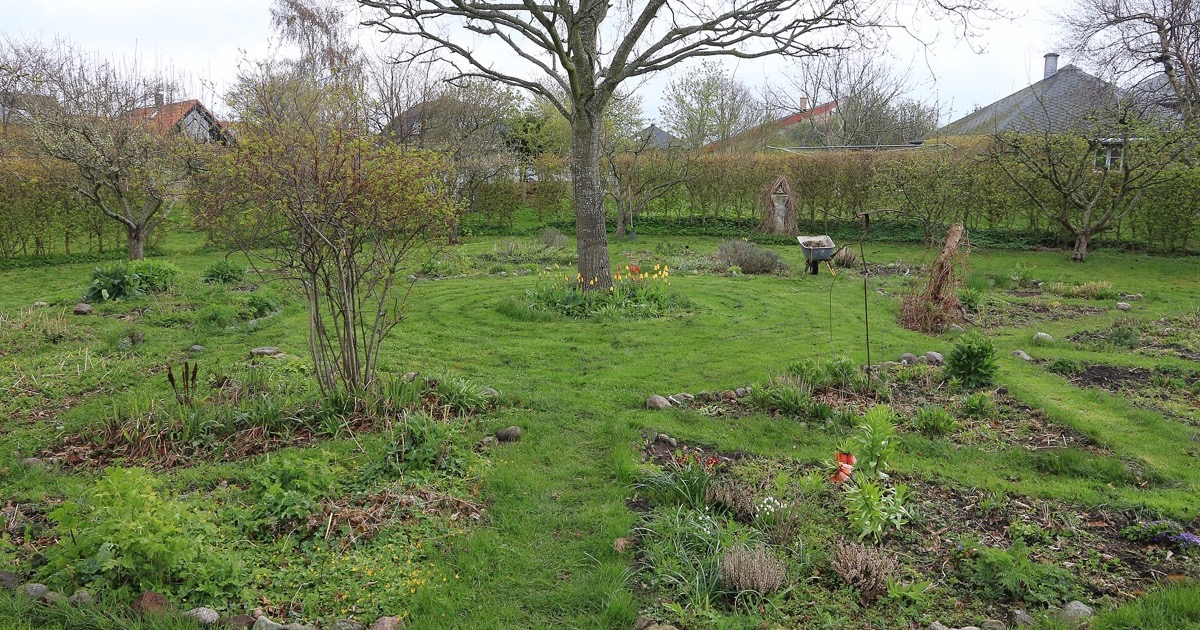
“We dig garden beds, not bunkers.”
What you can do: Read the whole book free as an epub from the link below. Or try one of the chapter’s examples near you: join a timebank, visit an ecovillage, or start a local exchange.
Source: Breaking Together: A Freedom-Loving Response to Collapse (Jem Bendell, 2023)
Photo: Øyvind Holmstad, CC BY-SA 4.0
